

How scammers use unsolicited offers
CTRCA’s Shareable
Help Central Texas homeowners recognize roofing scams before they sign a contract.
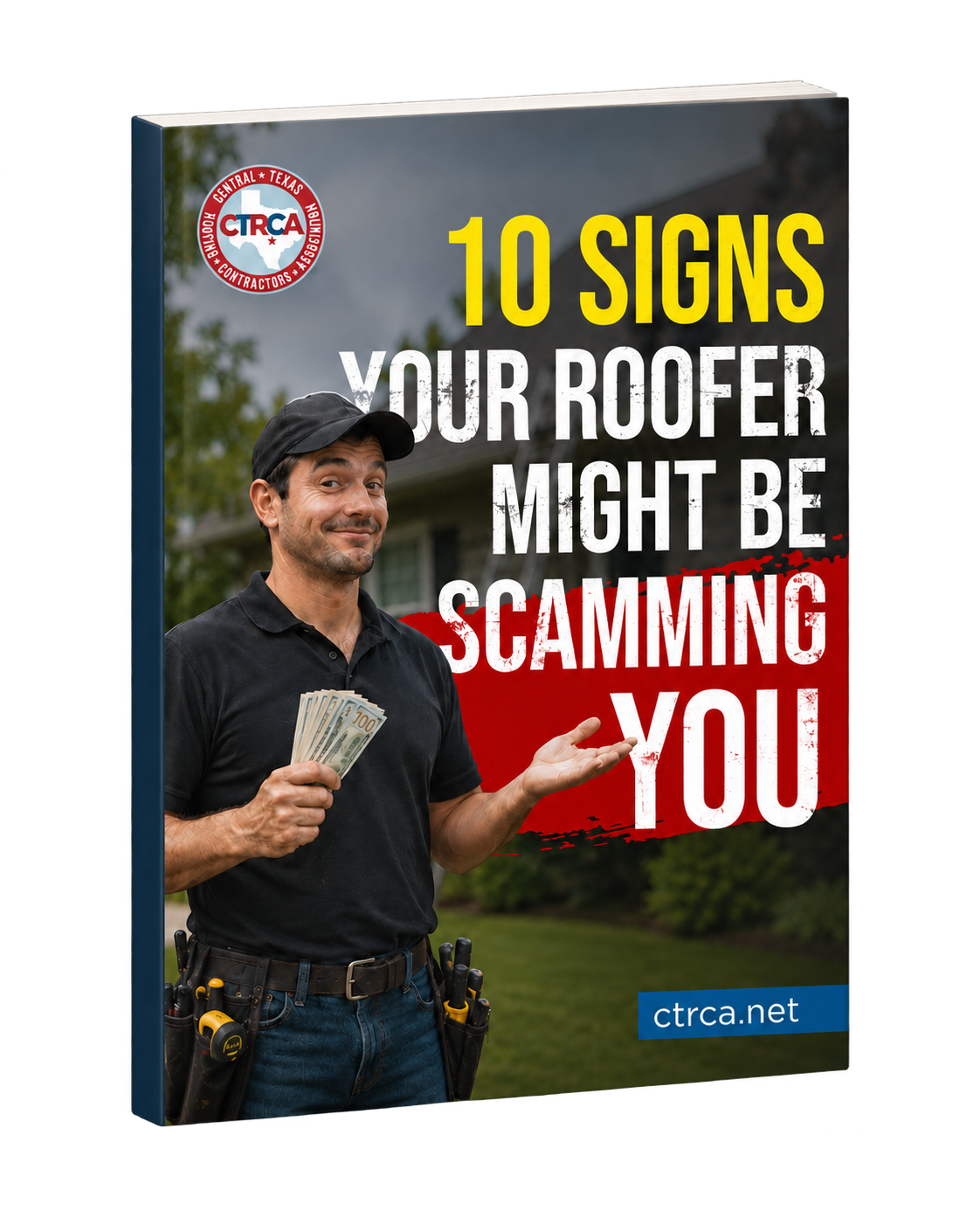
This downloadable guide gives CTRCA members a clear, homeowner-friendly resource to share after storms, during inspections, in follow-up emails, or across your marketing channels.
It is built to help homeowners understand common scam tactics, verify contractors, and make safer decisions when choosing a roofing professional.



After a major Central Texas storm, homeowners are often overwhelmed, pressured, and unsure who to trust.
That confusion creates an opening for storm chasers, high-pressure sales tactics, and dishonest contractors.
The challenge is helping homeowners slow down, ask better questions, and avoid signing with the wrong roofer.
This CTRCA resource gives you a simple way to do that.
Use it to educate homeowners, build instant trust, and show that your company is part of a roofing community committed to professionalism and consumer protection.

This resource gives homeowners practical, easy-to-understand guidance on:
How scammers use unsolicited offers

Why high-pressure tactics are a warning sign

Why extremely low prices can be risky

How storm chasers operate after major weather events

Why a physical business address matters

Why deductible waiving is illegal in Texas

How to verify insurance, references, and credentials

Why written estimates and warranties are essential
They may not understand contractor red flags, insurance risks, deductible rules, written estimates, warranties, or why hiring local matters.
That lack of knowledge can lead to rushed decisions, poor workmanship, unfinished projects, and major financial loss.




You do not need to overcomplicate storm season communication.
Sometimes, the most effective thing you can do is give homeowners clear, practical information before they make a costly decision.
This guide helps you do that.
Use it. Share it. Help homeowners avoid roofing scams and choose with confidence.
Download the Guide


Use this resource to support your storm response, educate homeowners, and build trust when it matters most.
Give homeowners helpful information before they are pressured into a rushed decision.
 Download Now